Blog AI Agents
ChatGPT Wallet: What AI Agents That Pay Mean for Banks
On this page· 7 sections
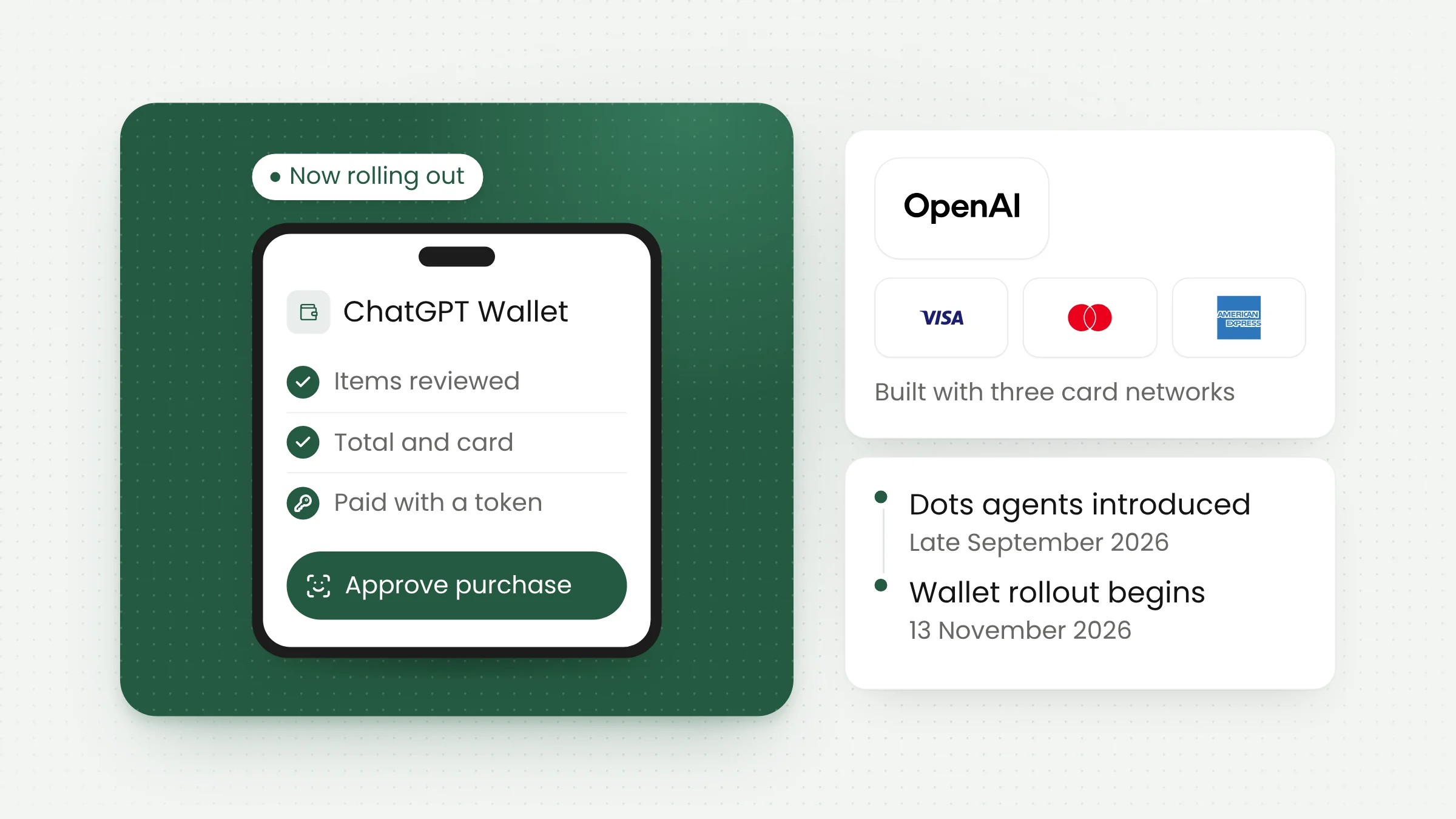
OpenAI launched ChatGPT Wallet on Friday, November 13, 2026, giving its AI agents, known as dots, the ability to buy things on a user’s behalf. Payments run through card network tokens, so the agent never sees the real card number, and every purchase still needs the user’s approval.
The rollout is small, but the direction is clear. AI assistants are moving from recommending products to completing the payment. For card issuers, payment providers, and online merchants in Indonesia, that shift touches three things they guard closely: who the buyer is, how a transaction is approved, and how fraud is detected.
How ChatGPT Wallet works
Dots are personal AI agents that OpenAI introduced at its annual developer conference in late September 2026, according to CNBC. They can search for products, compare options, and prepare an order. ChatGPT Wallet adds the last step, which is paying.
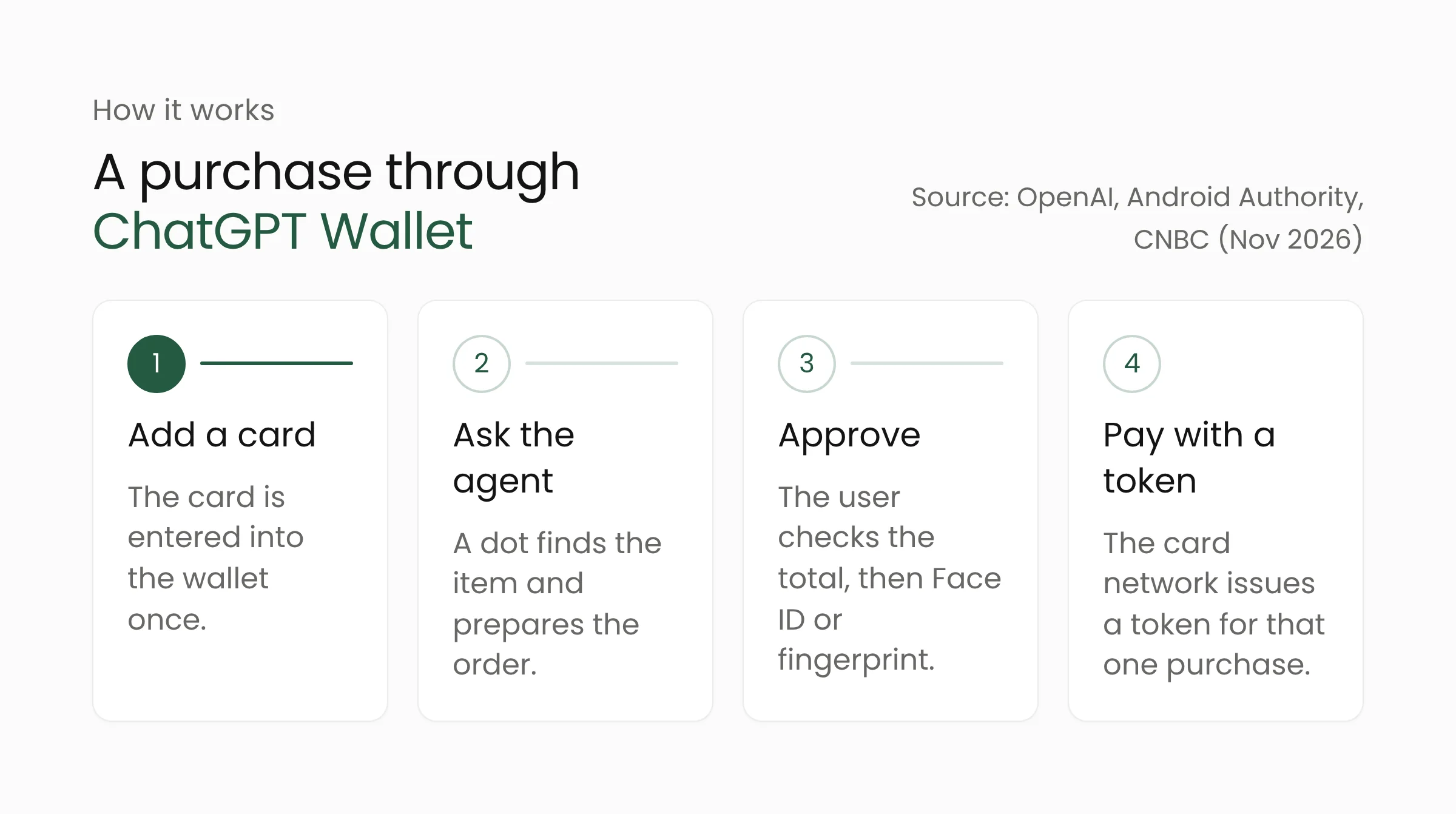
Android Authority describes the flow. A user adds a card to the wallet once, then asks a dot to help with a purchase. Before anything is charged, the user reviews the items, sees the total, picks a card, and approves the purchase with a security check such as Face ID or a fingerprint scan. The system then keeps a record of the purchase.
The role of the payment token
The token is the core of the design. CNBC reports that the payment networks hand the dot a “payment token” that carries a card number, security code, and expiration date scoped to a single transaction. The customer’s card is charged through that token, while the real card number, security code, and expiration date never reach the agent.
Tokenization itself is not new. Mobile wallets and subscription services have used it for years to avoid storing card data in many places. What changes here is who holds the token. It goes to software acting for a person, and each token is limited to one purchase the person has already approved.
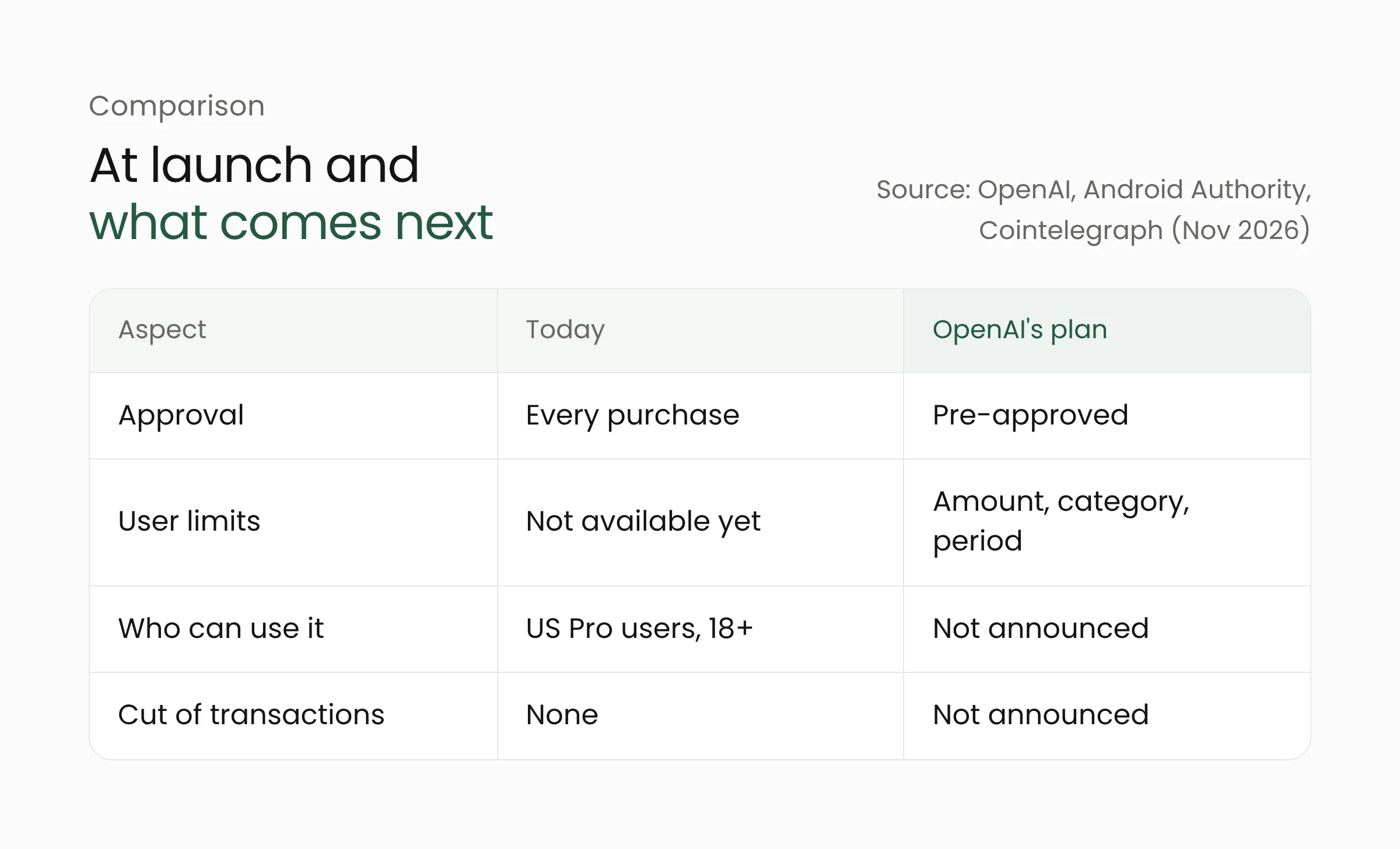
OpenAI built the feature with American Express, Mastercard, and Visa. In its announcement on the OpenAI developer forum, the company said card rewards are preserved and card protections for eligible disputes are unaffected. CNBC reports that OpenAI is not taking a cut of transactions at launch.
A limited launch for US Pro users
For now, ChatGPT Wallet is available only to ChatGPT Pro subscribers in the United States who are over 18. Eligible cards are US-issued Visa, Mastercard, or American Express cards, and the feature is rolling out inside dots. OpenAI has not announced a timeline for other countries, including Indonesia.
The narrow start is deliberate. Luke Gebb, executive vice president and global head of innovation at American Express, told CNBC: “It just makes sense to watch it, start it in a contained environment, and then keep rolling from there.” The card partners want to see how agent transactions behave in a small group before opening the doors wider.
The potential scale is large. CNBC notes that ChatGPT has more than 1.2 billion weekly active users. Cointelegraph cites a Juniper Research report that expects global agentic commerce transactions to reach $1.5 trillion by 2030, up from an estimated $8 billion in 2026. That figure is a projection and should be read as a signal of direction.
Plans for pre-approved purchases
Today every purchase needs manual approval. According to Android Authority, OpenAI plans to let users eventually delegate purchases fully to their agent within set parameters, such as spending limits, purchase categories, and time periods. Purchases inside those limits could be pre-approved, with safeguards that build on biometric checks and clear authorization records.
Cointelegraph adds that OpenAI is working with payment processors and fraud prevention firms so AI purchases can run through existing checkout systems. No date has been given for pre-approval.
Merchants and airlines are split
Not everyone wants agents at the checkout. CNBC reports that Amazon prevents agents from buying products on its platform, and United Airlines said it will block agents from its systems for ticket bookings. Android Authority notes that the United policy covers agent access both directly and through travel agencies and aggregators.
OpenAI is trying to ease those concerns on the technical side. Its announcement says existing checkout pages should work without a Wallet-specific integration. Businesses can improve reliability by allowing verified ChatGPT cloud-browser requests through Web Bot Auth, a method that lets a website confirm that a bot really comes from the party it claims to represent. OpenAI also recommends configuring fraud systems to recognize legitimate agent purchases, and it published a Commerce Partner Playbook for merchants.
This is not OpenAI’s first attempt at shopping. According to CNBC, the company launched Instant Checkout in fall 2025 and later moved away from that approach. Cointelegraph points out that others moved earlier as well, including Google with its Agent Payments Protocol in 2025. The race to set payment standards for AI agents is still open.
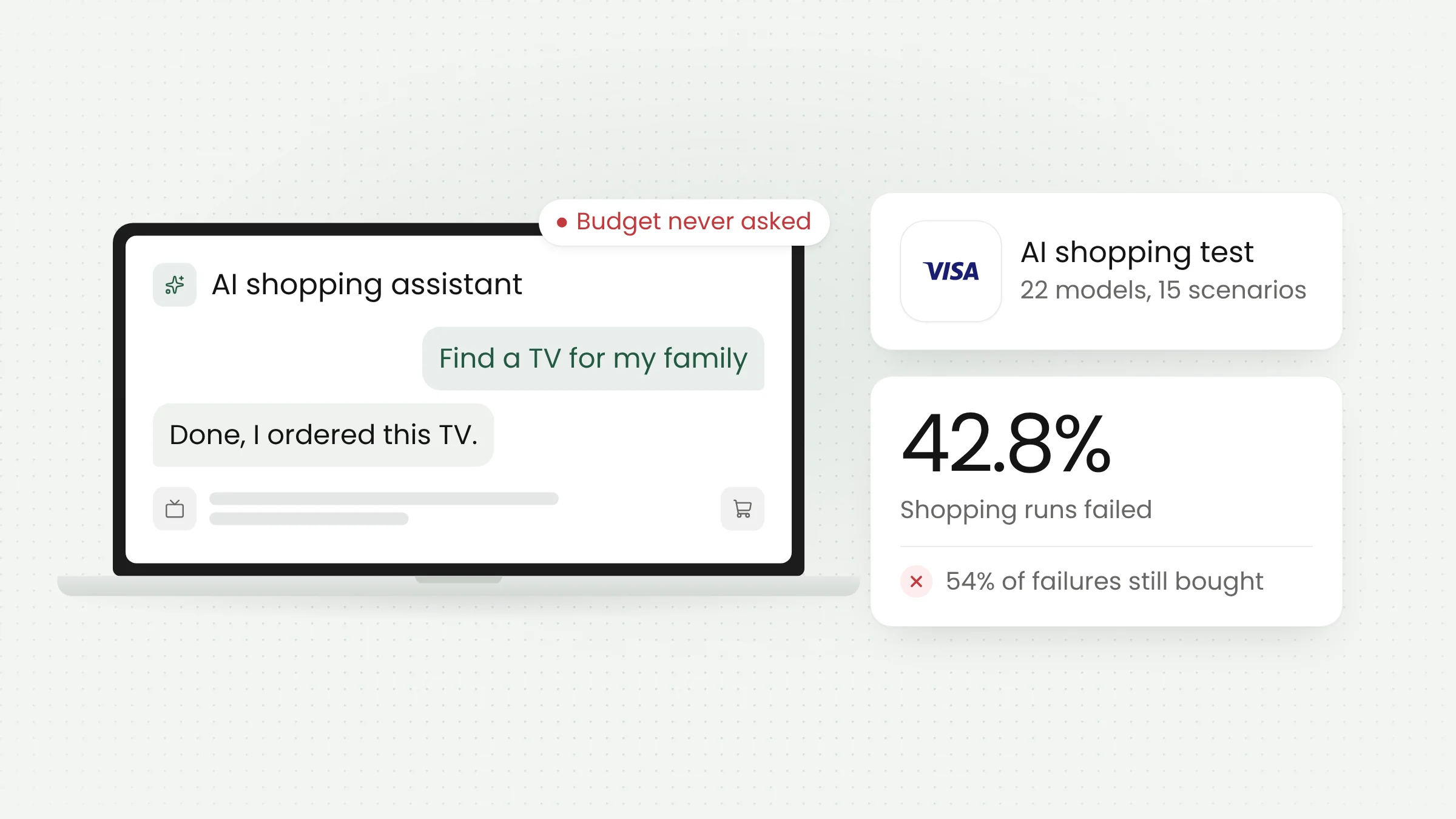
Questions about agent mistakes also remain. The sources we reviewed do not detail how returns are handled if an agent picks the wrong product. The Visa test we covered in our piece on AI shopping agents failing Visa’s benchmark shows that agent accuracy is still a real issue.
What this means for banks and payment providers
ChatGPT Wallet is not available in Indonesia yet, but other services are likely to follow the same pattern. Card issuers, e-wallet operators, and payment gateways can start preparing in five areas.
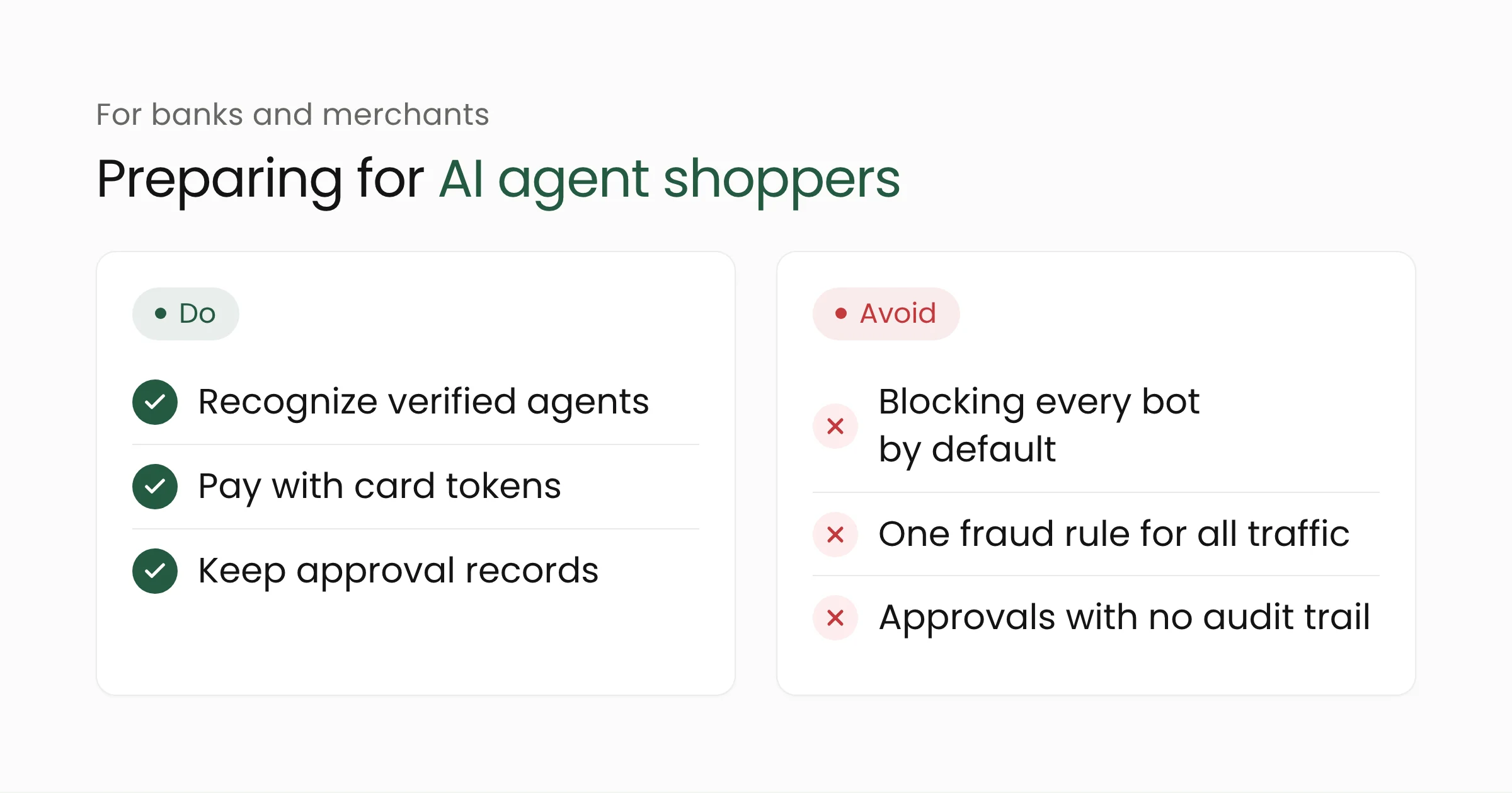
- Confirm tokenization support. AI agents are safest with tokens limited to one transaction. Check whether your card and wallet systems support network tokens and can bind a token to a specific merchant or amount.
- Separate agent traffic from human traffic. Fraud models trained on human behavior can misjudge agent purchases, for example because they are unusually fast or uniform. Set distinct rules for verified agents instead of blocking them all.
- Keep complete approval records. In a dispute, a bank needs to know who approved the transaction, when, and with which authentication method. These records help separate agent errors from purchases the customer never authorized.
- Offer customer controls. Spending limits, category rules, and time windows, the kind of controls OpenAI is planning, can also be offered by banks inside their own apps. They give customers confidence before they delegate purchases.
- Update complaint handling. Customer service teams need new scenarios for complaints about purchases made by an AI agent.
In Indonesia, many everyday online purchases are paid through QRIS, e-wallets, and bank transfers as well as cards, so the same questions will reach local payment channels. Bank Indonesia’s Payment ID, which began rolling out on November 9, 2026 to strengthen fraud detection at banks and fintech firms, is relevant here too. A purchase made by an agent still has to be traceable to the account holder who approved it.
Banks and fintech firms can treat this moment as a chance to tidy up their payment architecture, authentication, and transaction monitoring. Merakit supports financial institutions through its digital financial services solutions, from customer apps to transaction monitoring. The experience of US banks that chose to restrict AI agents in customer accounts also shows that access policies need to be set before agents arrive.
Frequently asked questions
Can ChatGPT Wallet be used in Indonesia?
Not yet. At launch, the feature is limited to ChatGPT Pro subscribers in the United States who are over 18 and hold a US-issued Visa, Mastercard, or American Express card. OpenAI has not announced a timeline for other countries.
Can the AI agent see my card number?
According to OpenAI and CNBC’s reporting, no. The agent receives a payment token that is valid for a single transaction. The real card number, security code, and expiration date are not shared with the agent.
Can the agent shop without my permission?
Not at the moment. Every purchase must be approved by the user after reviewing the items and total, then confirmed with Face ID or a fingerprint. OpenAI plans to add pre-approval with spending limits, categories, and time periods, but has not said when.
Conclusion
ChatGPT Wallet marks a new stage in which AI assistants help complete the payment. The first version is cautious, with per-transaction tokens, biometric approval, and a limited rollout. For financial institutions and online merchants in Indonesia, the best time to prepare rules, authentication, and monitoring is before services like this become widely available.
Merakit Indonesia helps banks, fintech firms, and retailers build payment systems that stay secure for human customers and AI agents alike. Get in touch with our team to discuss your needs.
Sources
- OpenAI launches ChatGPT Wallet, allowing its ‘dots’ AI agents to make purchases for users, CNBC, November 13, 2026
- Introducing ChatGPT Wallet, OpenAI Developer Community, November 13, 2026
- OpenAI rolls out ChatGPT Wallet to let Dots AI agents make purchases, Android Authority, November 13, 2026
- OpenAI Launches ChatGPT Wallet for AI Agent Payments, Cointelegraph, November 13, 2026