Blog Artificial Intelligence
Telkom AI ModelHub: Model Choice and Data Control Explained
On this page· 7 sections
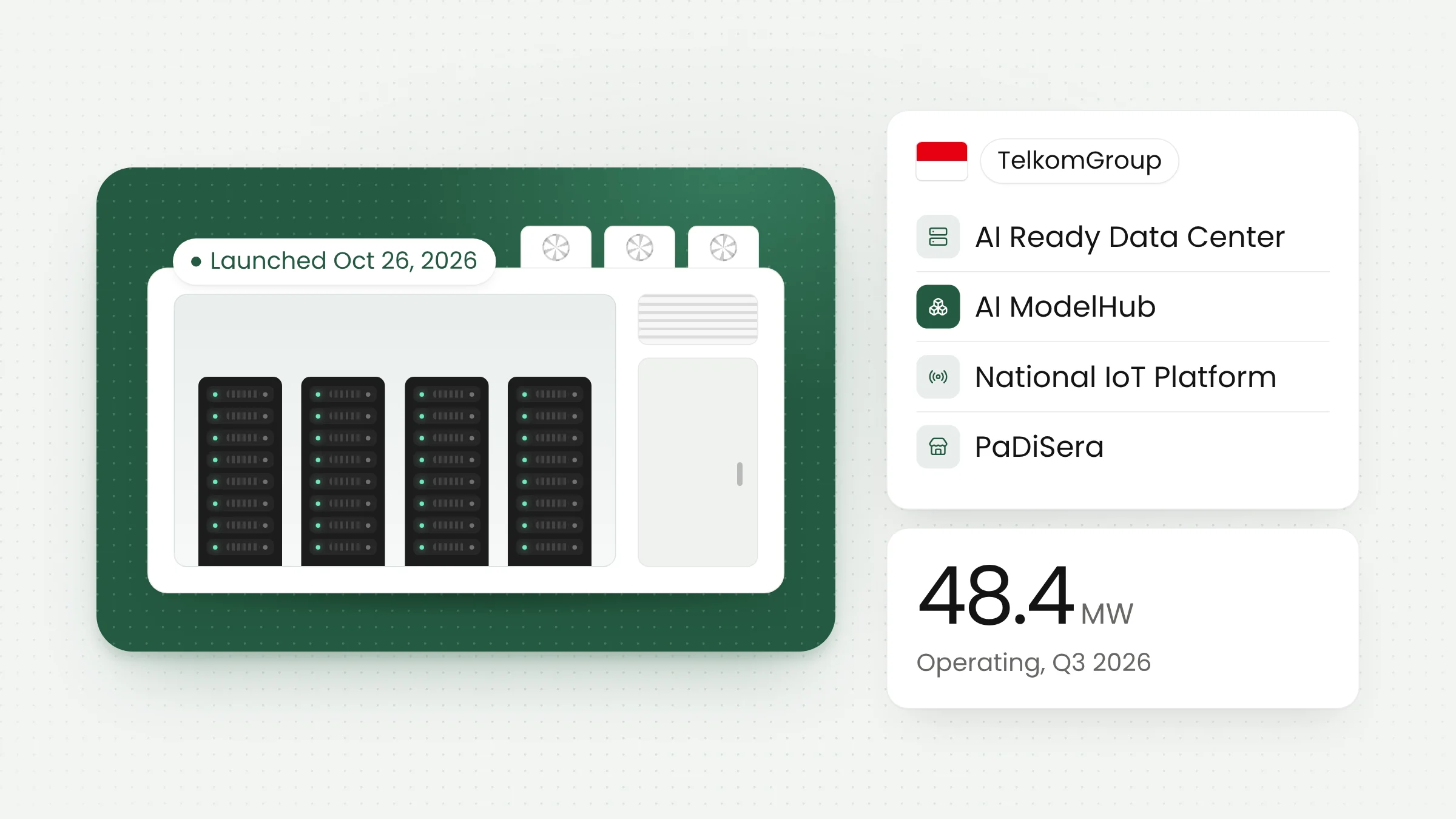
TelkomGroup launched AI ModelHub, together with three other capabilities it calls Sovereign Digital Technology, at the Danantara Technology Innovation Investment Forum (DTIIF) 2026 in Jakarta on Monday, October 26, 2026. AI ModelHub promises a single gateway to multiple AI models while keeping control over strategic national data. For Indonesian agencies and state-owned enterprises, the open questions are now about service details.
Four capabilities in one launch
The launch took place on the first day of DTIIF 2026, an investment forum held by Danantara, Indonesia’s sovereign wealth fund, from October 26 to 28 under the theme “Investing in Tomorrow: Advancing Technology, Innovation, and Sustainable Growth”. According to ANTARA, it was attended by Danantara Chief Technology Officer Sigit Puji Santosa, Telkom IT Digital Director Kharim I. G. Siregar, and Telkom Director of Strategic Business Development & Portfolio Seno Soemadji.
The four capabilities cover different layers, from the buildings where computing runs to the marketplace where small businesses sell:
- AI Ready Data Center. Built by NeutraDC, a TelkomGroup subsidiary, as a computing base for AI in Indonesia and Southeast Asia. Telkom describes an aspiration to scale it to 1 gigawatt.
- AI ModelHub. Offers access to a range of AI models through one platform while keeping control over strategic national data.
- National IoT Platform. Developed by Telkomsel, it combines connectivity for IoT devices with AI-based analytics. TelkomGroup says it supports about three million IoT devices in Indonesia for monitoring, security, and productivity.
- PaDiSera. A national marketplace launched by Danantara on top of PaDi UMKM technology. Since 2020, PaDi UMKM has reportedly helped more than 190,000 micro, small, and medium enterprises supply state-owned companies. PaDiSera extends that reach to retail buyers.
CNN Indonesia reported the same figures and division of roles. Telkom President Director Nanang Hendarno framed the effort as a push for digital self-reliance, which he said requires comprehensive mastery of the underlying technology, according to ANTARA.
How AI ModelHub works
A model hub is a single entry point for using many AI models. Application developers do not need separate accounts and integrations for every model provider. They connect to one platform and pick the model that fits the task, such as a large model for summarizing long documents or a smaller, cheaper model for answering routine questions.
At a plenary session on the second day of DTIIF, Tuesday, October 27, 2026, Nanang said ModelHub provides access and governance for three kinds of models. According to CNBC Indonesia, these are global models, sovereign models, and models designed for specific industry needs. The platform is also meant to support application development and AI use cases.
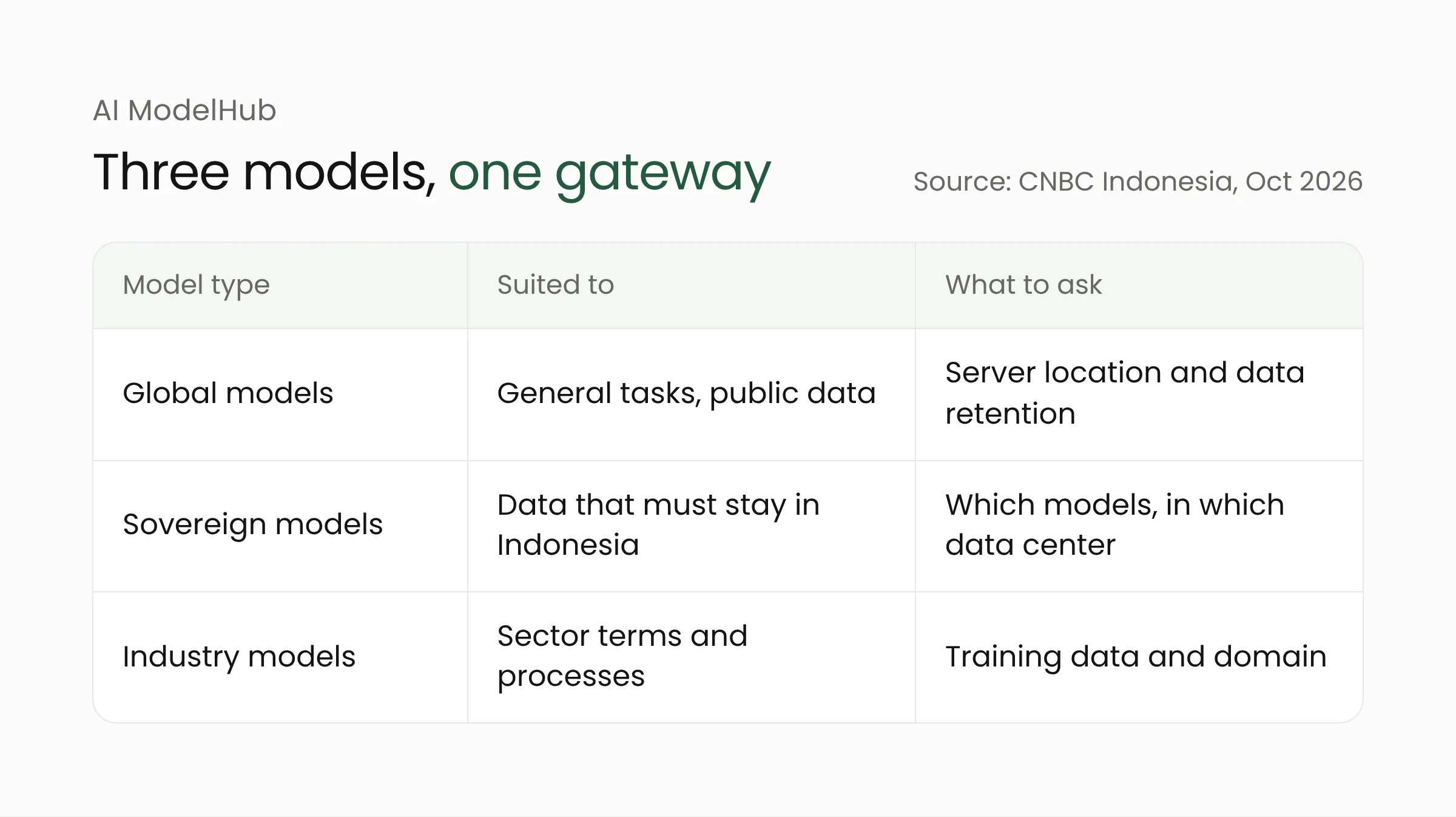
Governance is the important word here. A single gateway makes it easier for an organization to record who uses which model, with what data, and at what cost. That is hard to do when every team subscribes to its own AI tools.
A sovereign model generally means one that is developed, controlled, and run domestically, so the data it processes does not have to leave Indonesian jurisdiction. Telkom has not said which sovereign models will be offered, whether they are built by Telkom or by partners, or in which data centers they will run.
Data centers and networks underneath
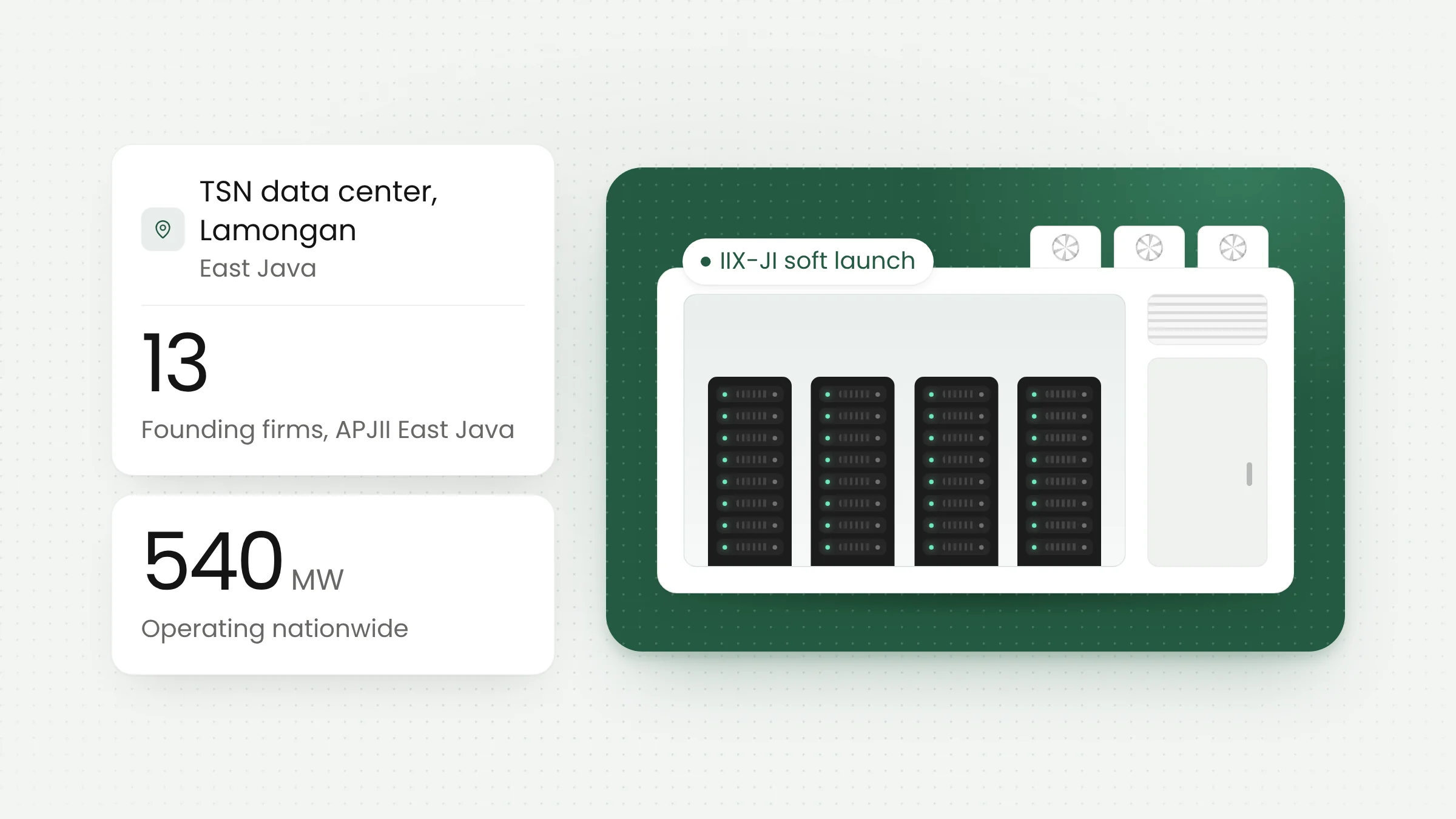
ModelHub depends on computing capacity in data centers. In Nanang’s presentation, as reported by IndoTelko, NeutraDC operated 48.4 MW of data center capacity in Indonesia and Southeast Asia as of the third quarter of 2026. The 1 gigawatt figure mentioned at the launch is a long-term aspiration with no published timeline.
Telkom also described the network that connects users to those facilities: 42.2 Gbps of satellite capacity, more than 211,000 km of fiber optic and submarine cable, and 58 international points of presence. Nanang said AI data centers need reliable energy and cooling to meet their computing demand.
For users, this matters because data sovereignty depends on where data is processed and stored. A model offered through a domestic platform can still run on servers abroad if the provider does not host that model locally. Organizations therefore need to ask about the processing location of each model separately.
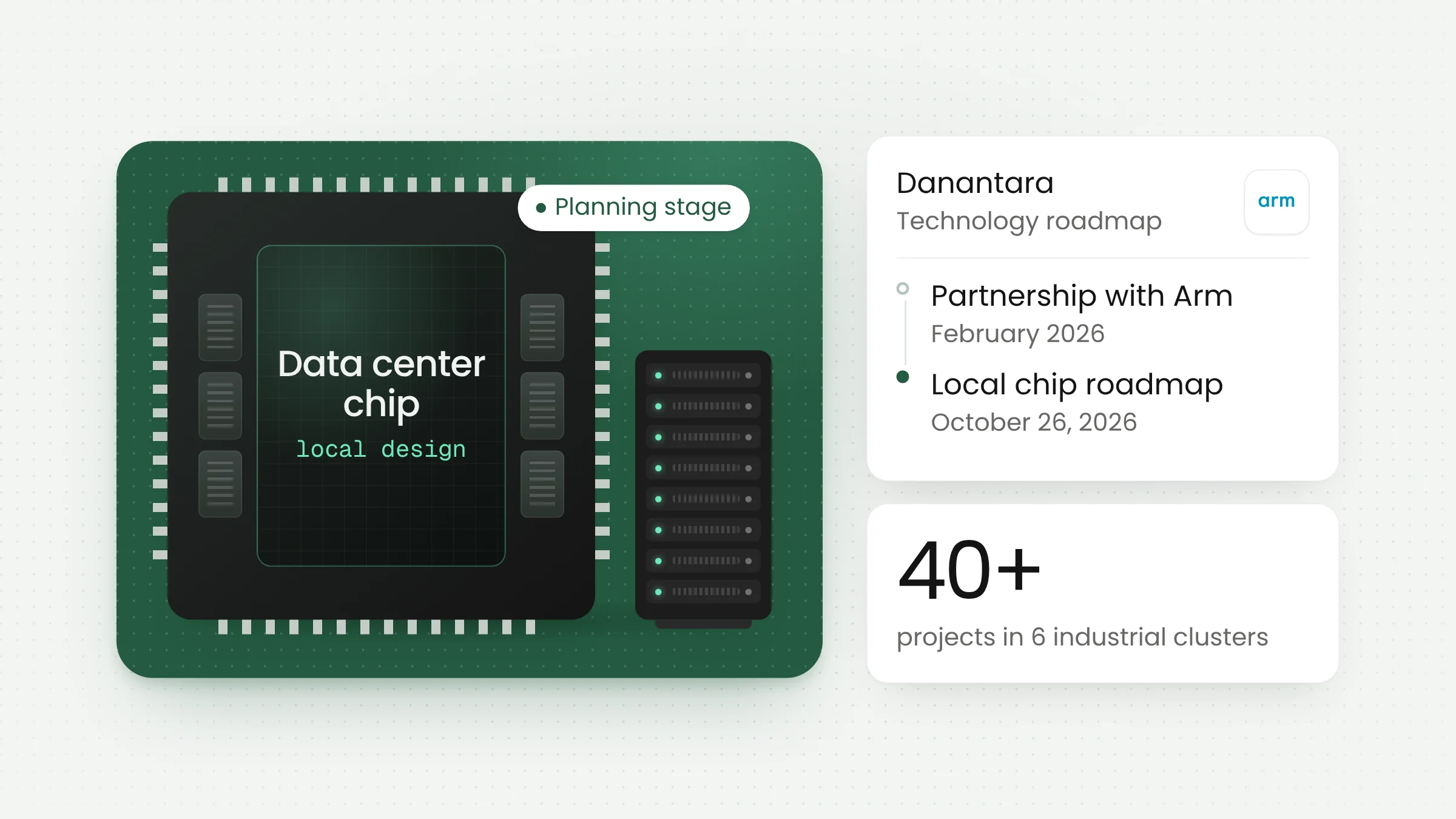
Data center supply chains were also on the DTIIF agenda this year. At the same forum, Danantara outlined plans to design locally made data center chips and equipment.
The cost and adoption figures behind the pitch
In the same session, Nanang presented several figures on the economics of AI. He said the cost per AI query has fallen about 280 times since 2022, while AI usage at Google grew sevenfold in one year. In his view, lower costs let consumption grow faster, so the biggest opportunity lies in the infrastructure that supports wide AI use.
He also cited more sobering numbers: 95 percent of generative AI pilots have not affected company profit and loss, only 25 percent of companies reach their expected return on investment, and just 21 percent have redesigned workflows to make use of AI. The coverage we reviewed did not name the original research behind these figures.
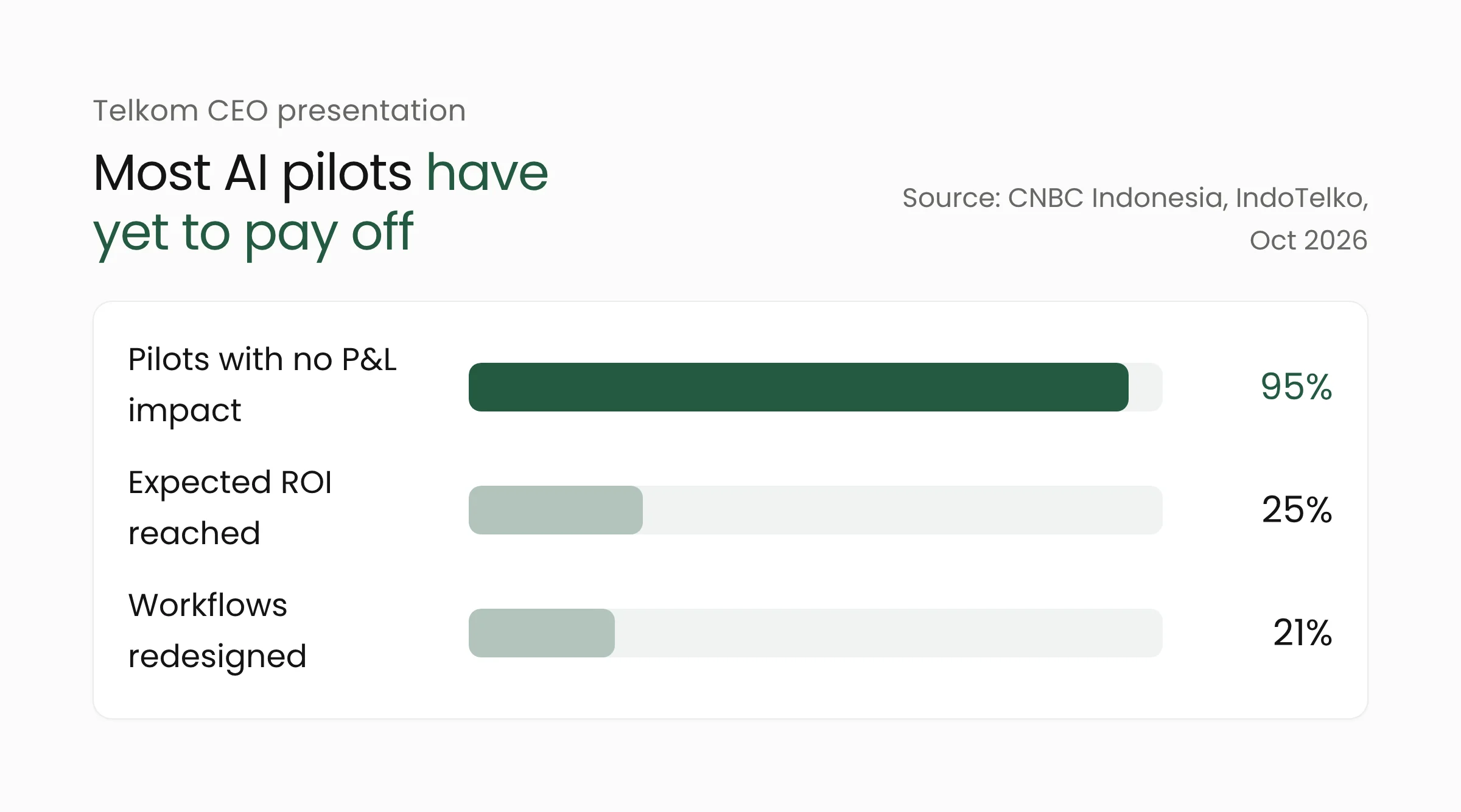
Those figures are relevant to government agencies. Many AI projects stall at the pilot stage because they are never connected to real work processes. Access to more models does not solve that problem on its own.
Nanang also pointed to the government’s role in providing regulatory certainty, including on data sovereignty and the identity of AI agents. AI agents are systems that can carry out a series of tasks on their own, such as checking a submitted file and forwarding it to a case officer.
What this means for agencies and state-owned enterprises
As of this writing, Telkom has not announced a model list, pricing, subscription terms, a general availability date, or eligibility for users outside TelkomGroup. The practical step for ministries, local government offices, regional hospitals, and state-owned companies is to prepare their own requirements and questions now, so they can evaluate the service once details are published.
Classify your data first. Decide which data can be processed by global models, which must stay in the country, and which should never be sent to an AI service. Population records, health data, and procurement documents usually belong in the strictest category.
Ask where each model runs. A “sovereign” label on the platform does not guarantee that every model on it runs in Indonesia. Request written answers on server location, whether your data is used for training, and how long it is retained.
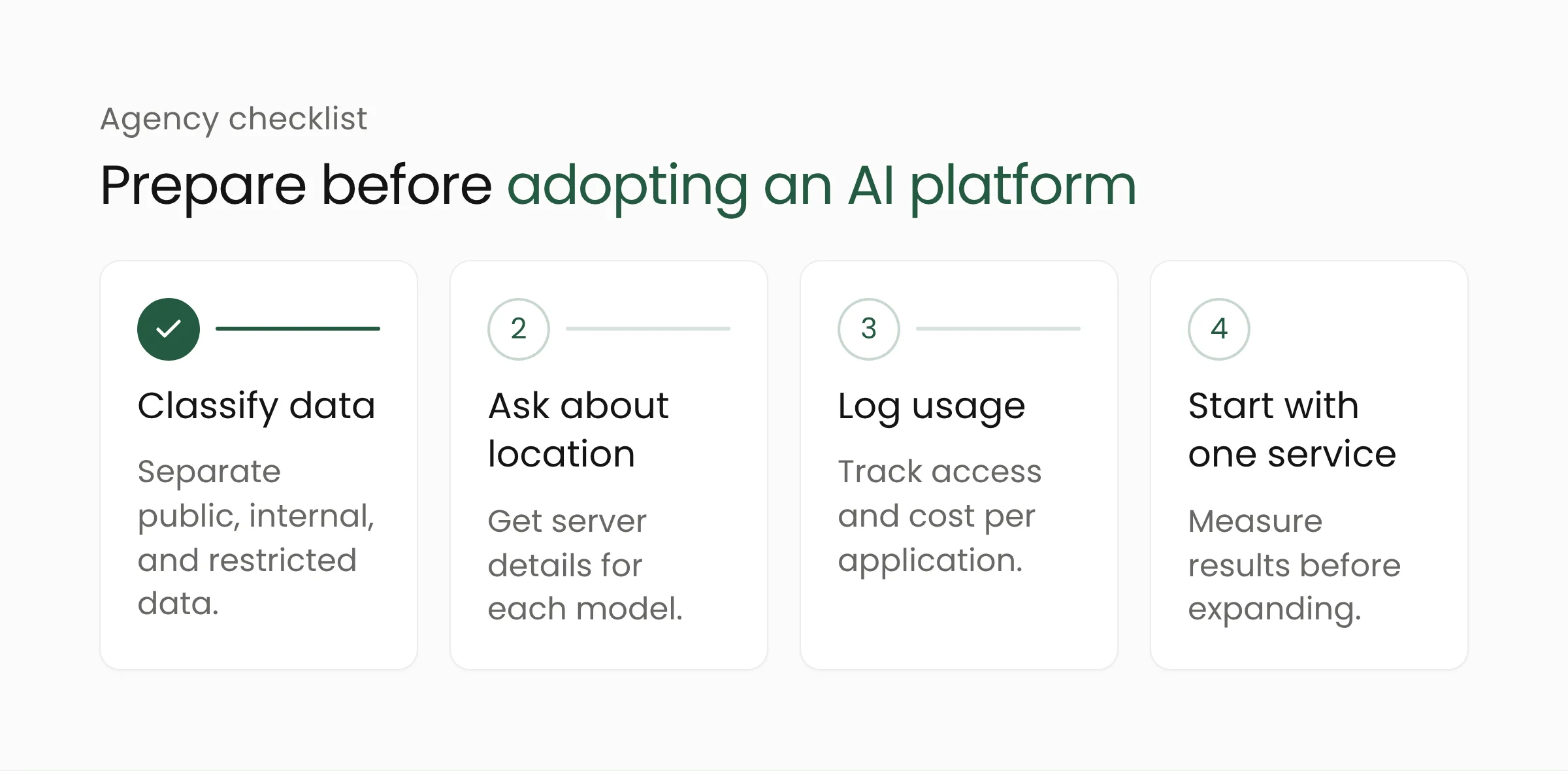
Plan for usage logging. A single gateway makes audits easier if usage logs can be exported to internal systems. Make sure access can be limited per work unit and that costs can be reported per application.
Start with one well-defined service. Choose a high-volume process with clear rules, such as answering residents’ questions about permit requirements or summarizing activity reports. Measure the results before expanding. A gradual digital government approach like this helps projects move beyond the pilot stage.
For development teams, applications should be designed to avoid lock-in to a single provider. A connector layer that separates application logic from model calls lets an agency switch models or platforms without rebuilding the whole system. The same principle applies to any artificial intelligence service, ModelHub included.
Frequently asked questions
Is Telkom AI ModelHub available to the public yet?
There is no official announcement on general availability, pricing, or how to sign up. Current coverage only describes its purpose and the types of models it will support.
What is a sovereign AI model?
In this context, a sovereign model is an AI model developed and controlled domestically, so the data it processes can stay within Indonesian jurisdiction. Telkom has not said which sovereign models will be included in ModelHub.
Has Telkom reached 1 gigawatt of AI data center capacity?
No. Operating capacity was 48.4 MW as of the third quarter of 2026, according to the Telkom CEO’s presentation. The 1 gigawatt figure is described as a development aspiration.
Closing thoughts
The launch of AI ModelHub and its three companion capabilities shows a clear direction: a domestic infrastructure provider wants to become the main gateway for AI use in Indonesia. Its value to agencies will depend on details that have not been published yet, especially processing locations and data governance. If your organization is weighing AI platforms and a cloud architecture that keeps data under control, the Merakit team can help define requirements and test the options.
Sources
- TelkomGroup kembangkan empat kapabilitas teknologi digital berdaulat, ANTARA Kepri, October 28, 2026
- TelkomGroup Luncurkan Sovereign Digital Technology di DTIIF 2026, CNN Indonesia, October 27, 2026
- Dirut Telkom Ungkap Potensi Pengembangan Industri AI di Masa Depan, CNBC Indonesia, October 29, 2026
- Telkom siapkan fondasi AI lewat pusat data, konektivitas, dan ModelHub, IndoTelko, October 30, 2026