Blog Gemini 4 Argon
Gemini 4 Argon Goes Live With a 1 Million Token Context
On this page· 7 sections
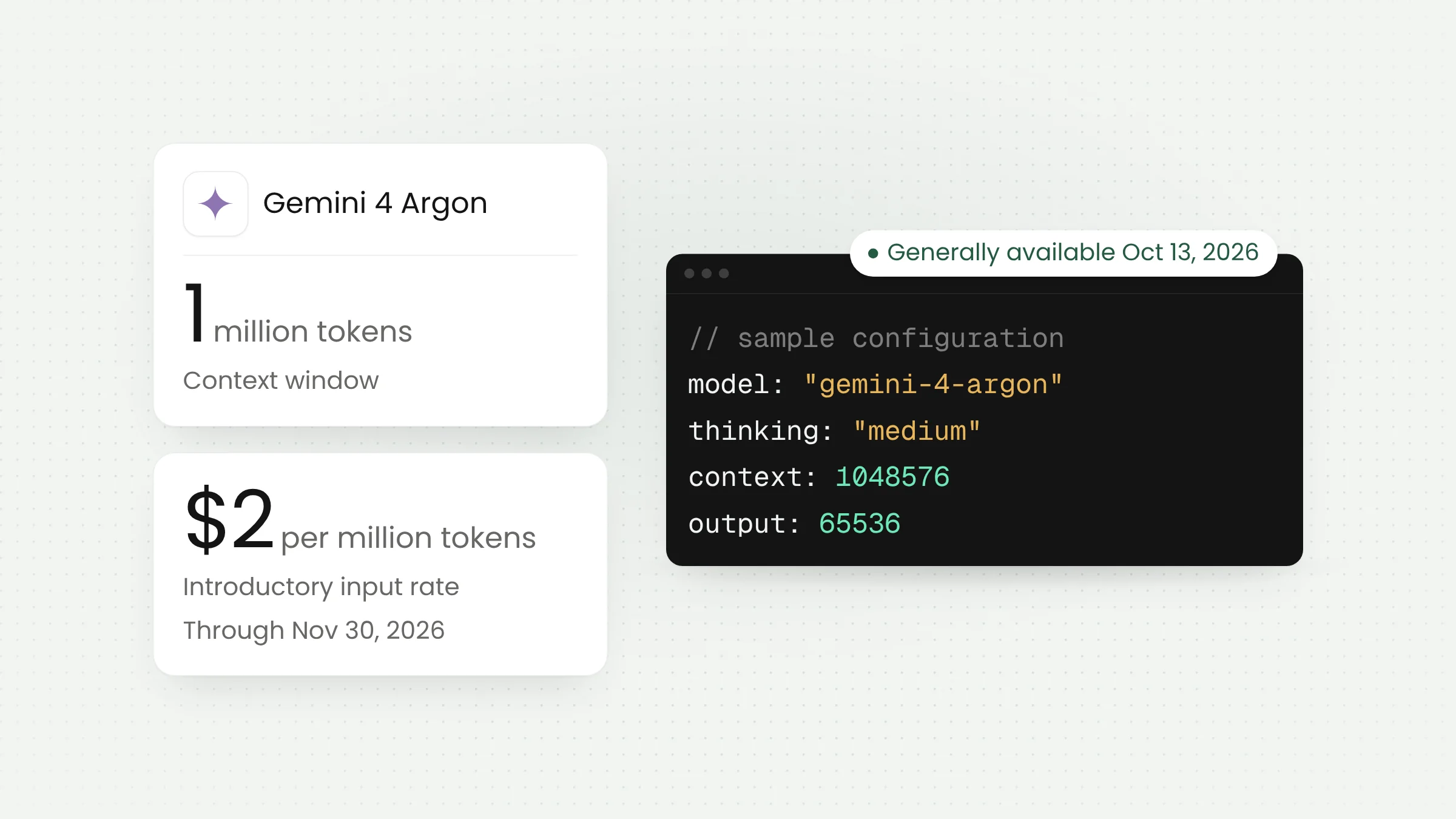
Google says Gemini 4 Argon has been generally available since October 13, 2026, through the Gemini API and Vertex AI. The model, identified as gemini-4-argon, has a context window of 1,048,576 tokens and introductory pricing of $2 per million input tokens through November 30, 2026. After that date, standard prices double.
What was announced
Google first unveiled Gemini 4 Argon on September 30, 2026, but access was limited to a small group of cyber defenders in a program called Fairwind. On October 13, access widened to developers and enterprises. Google positions it as a flagship reasoning model for software engineering, math and science problems, and multi-step agent workflows.
The model accepts text, images, video, audio and PDFs, but it outputs text only. Google’s documentation lists support for code execution, function calling, file search, URL context, structured outputs, and grounding with Google Search and Google Maps. Computer use is still in preview. The model cannot generate audio or images and does not support the Live API.
There are three thinking levels: low, medium and high. According to Computing for Geeks, medium is the default, down from high on Gemini 3.1 Pro. Developers who want quick answers for simple tasks can choose low, while hard problems can use high.
Context, output and pricing
A one million token context
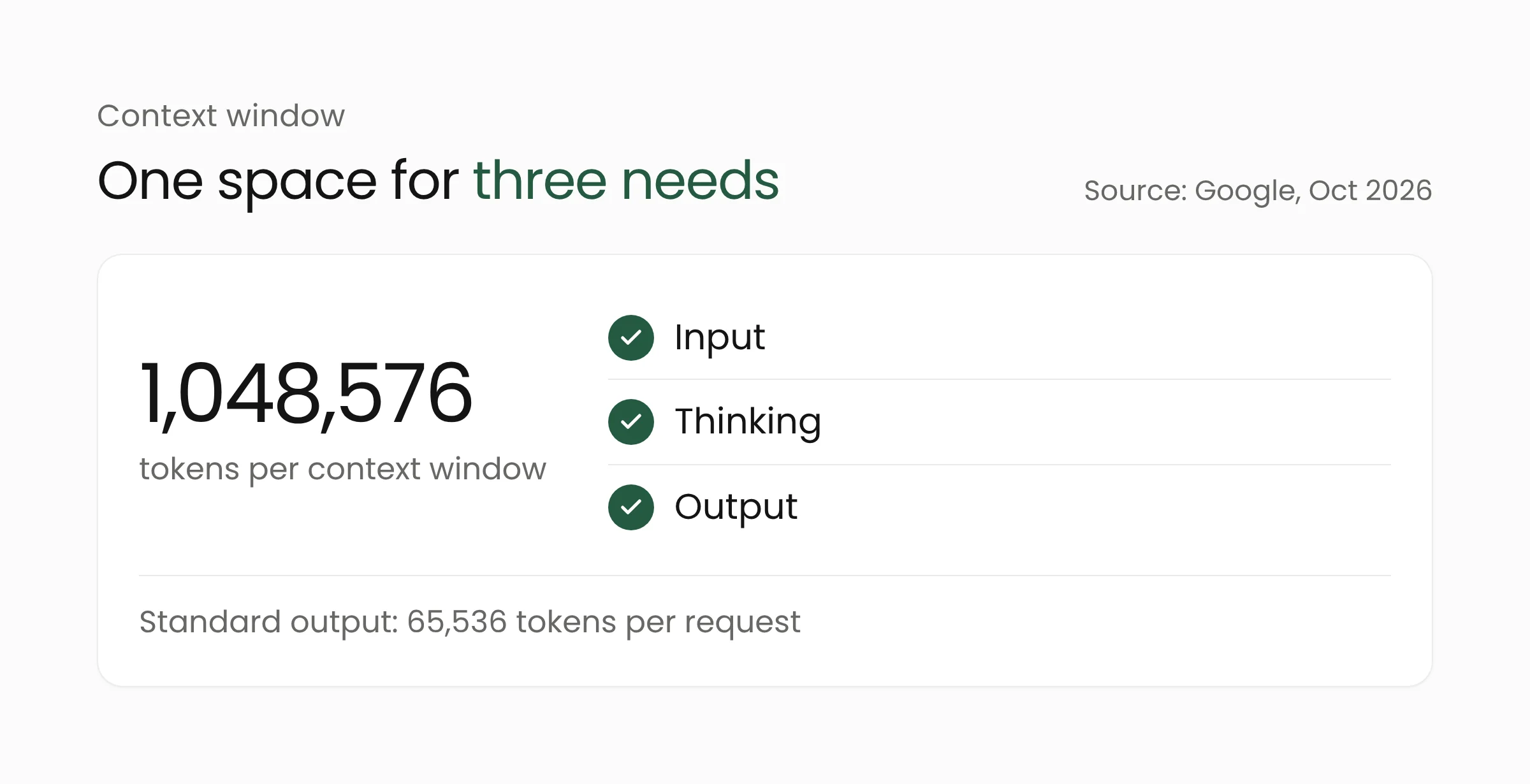
A token is a unit of text the model counts, either a whole word or part of one. Gemini 4 Argon has a 1,048,576 token context window, and that space is shared by input, thinking and output. A very long document therefore leaves less room for the answer.
For a typical request, maximum output is 65,536 tokens. Google’s documentation says a long decode mode can raise the output limit to 1,048,576 tokens. According to Computing for Geeks, this mode generates text in 64K token hops that are then stitched together, and on the Gemini API it runs through the Interactions API with the background option turned on.
Pricing through November 30
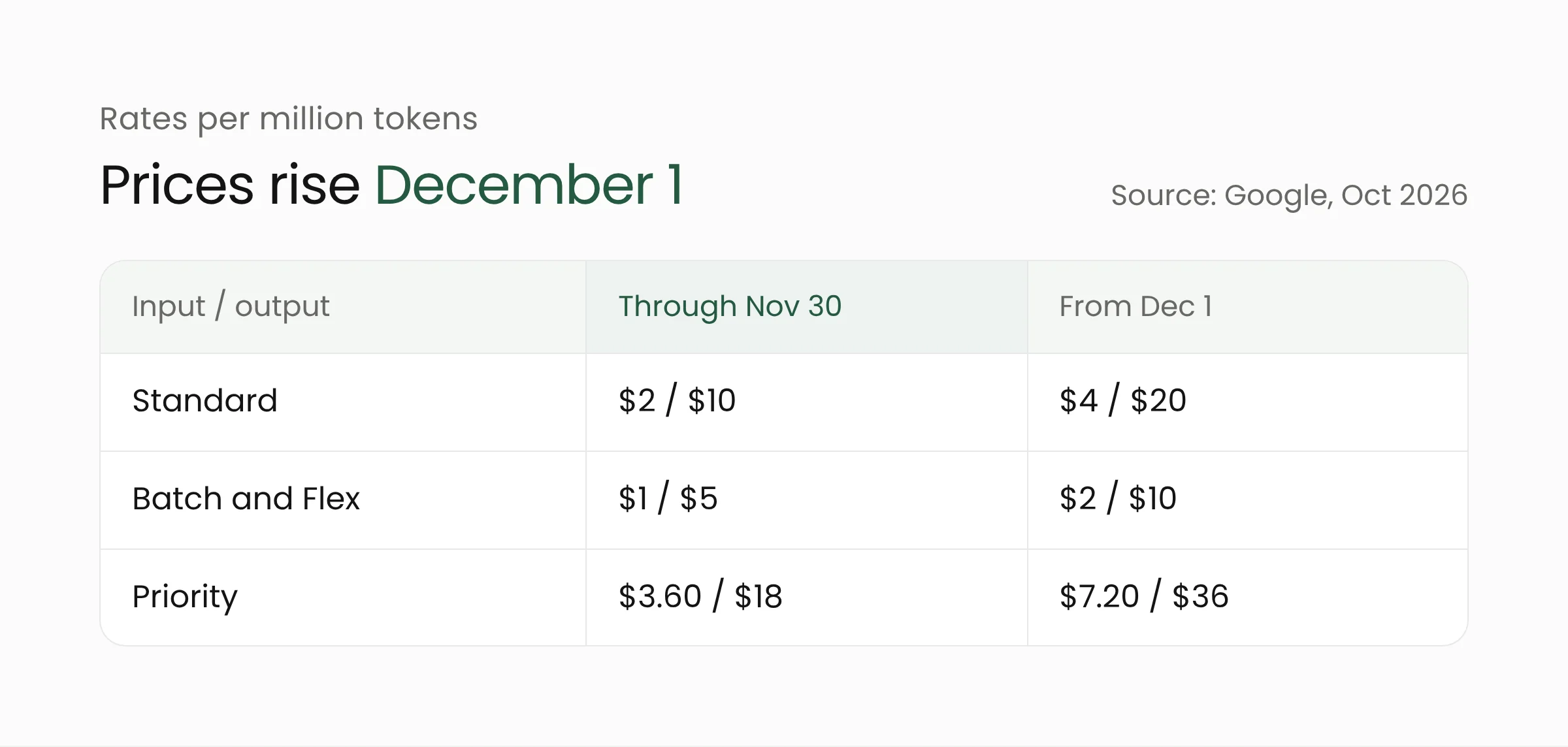
Standard Gemini API pricing is $2 per million input tokens and $10 per million output tokens through November 30, 2026. From December 1, it becomes $4 and $20. Thinking tokens count as output. Google offers a 95 percent discount on input served from cache, but only for implicit caching; explicit caching is not supported. The model is not available on the free tier.
By our own calculation, one request using one million input tokens costs $2 during the introductory period and $4 afterward, before any output. For workloads that do not need an immediate answer, Batch and Flex rates are half the standard rate. Priority is more expensive, at $3.60 for input and $18 for output per million tokens during the introductory period.
Product availability varies. According to Computing for Geeks, the Gemini API is paid-tier only, Vertex AI is available in the global, US and EU regions, and the Gemini app and AI Mode are rolling out to AI Pro and Ultra subscribers. Another source, Let’s Data Science, names AI Studio as a developer route, while Computing for Geeks says the AI Studio web interface is for Ultra subscribers only. Because the sources differ, check your own account type before planning usage.
Performance claims and their limits
Google’s model card compares Gemini 4 Argon with GPT-6 Astra, Claude Fable 5.1 and Claude Opus 5.5. According to Computing for Geeks, Argon leads on 13 of 19 rows and ties on one. Its strongest result is 84.2 percent on the GraphWalks BFS test at 256K to 1M tokens. Computing for Geeks also notes that some rows were computed by Google itself and that the table omits SWE-bench Verified, GPQA and HLE. Artificial Analysis gives Argon a score of 53 on its Intelligence Index.
All of these figures are vendor claims or results reported by third parties, and we have not found independent testing on Indonesian-language workloads. Google’s own model card lists hallucinations and the possibility of slow responses or timeouts, according to Let’s Data Science. A long context also does not guarantee that the model reads every part with equal care, so results need to be tested on real documents.
What this means for agencies and public data teams
A one million token context appeals to agencies that hold piles of documents: regional regulations, meeting minutes, activity reports and letter archives. The model can be asked to summarize or search several documents at once without splitting them one by one. Because the introductory price ends on November 30, teams that want to test should start now, with measured steps.
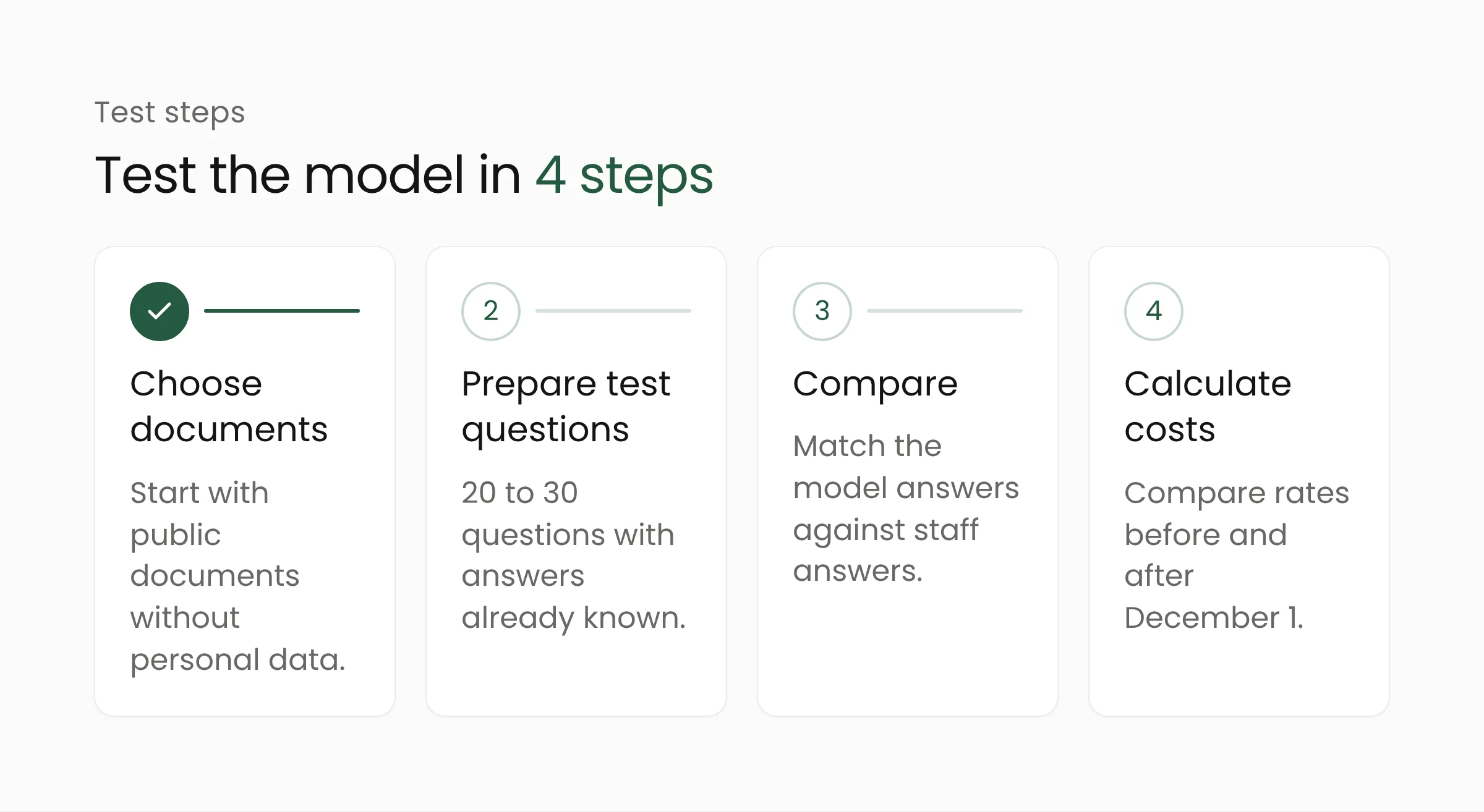
Choose non-sensitive documents. Start with public material, such as regulations that have been promulgated or reports that have been published. Residents’ personal data is protected by Law Number 27 of 2022 on Personal Data Protection, so documents containing it must not be sent to an external service without a legal basis and a written policy.
Prepare test questions with known answers. Take 20 to 30 questions whose answers staff already hold, then compare the model’s answers with theirs, including cited article numbers and figures.
Calculate costs before and after December 1. Record the number of tokens per request, then work out the monthly total at both the old and new rates. Consider Batch or Flex for work that can wait, and implicit caching for documents used repeatedly.
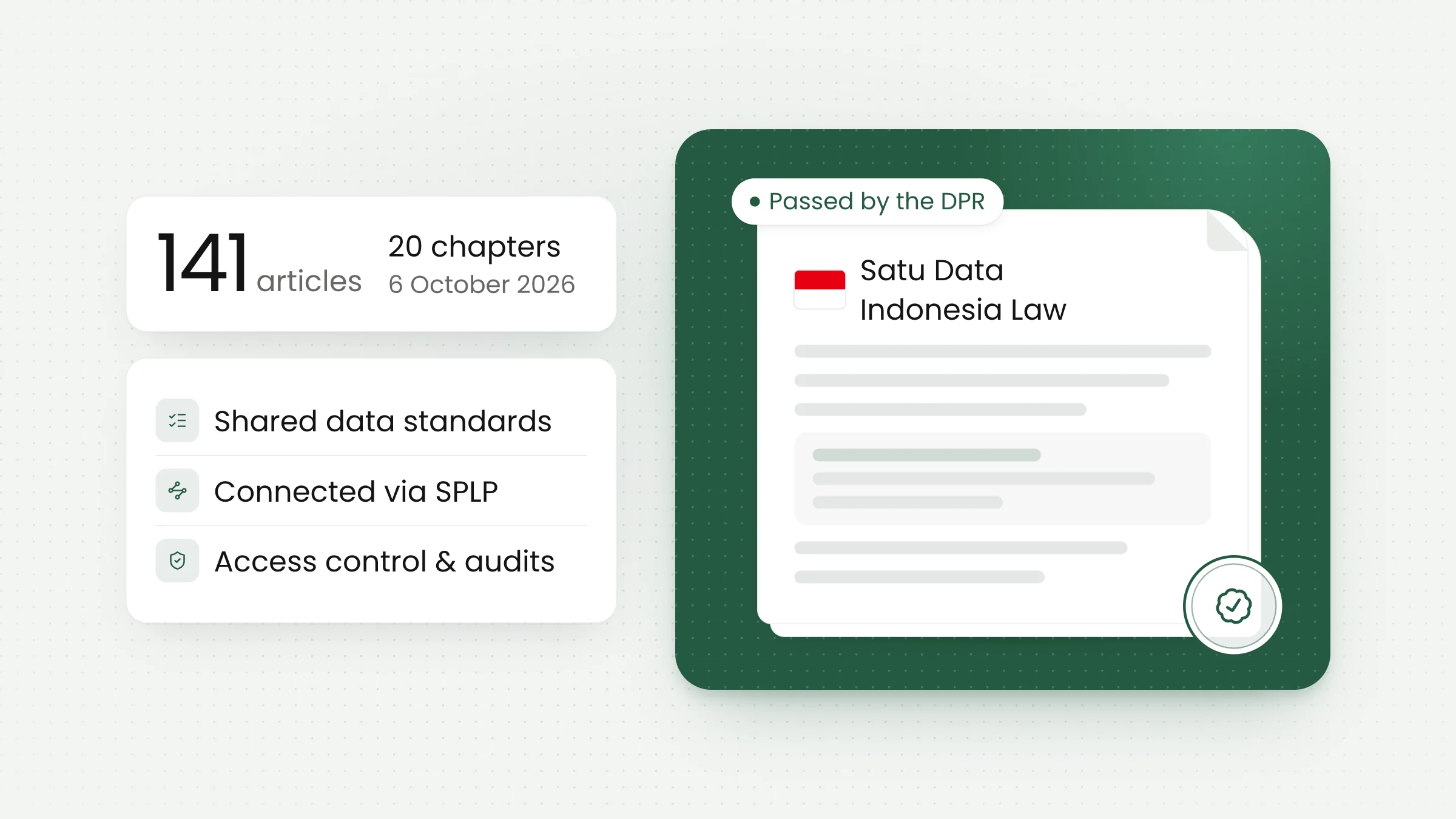
Define the human role. Model output is best treated as working material that an officer reviews, especially for public service decisions. If data must be shared between agencies, our article on Indonesia’s One Data Law and agency interoperability explains the direction of policy.
For a wider view of this sector, see our digital government solutions page. To prepare data for analysis, see our data analytics service, and for help choosing and testing models, see our artificial intelligence service.
Frequently asked questions
How much does Gemini 4 Argon cost?
Standard pricing is $2 per million input tokens and $10 per million output tokens through November 30, 2026, then $4 and $20 from December 1. Batch and Flex rates are half of that. The model is not available on the free tier.
Does a one million token window mean a one million token answer?
No. The context window is shared by input, thinking and output. Standard output per request is 65,536 tokens, and only the long decode mode can raise it close to the whole window.
Can Gemini 4 Argon generate images or audio?
No. The model accepts text, images, video, audio and PDFs as input, but it outputs text only. Google’s documentation says audio and image generation and the Live API are not supported.
Closing
Gemini 4 Argon gives agencies and companies a wide context window at an introductory price that lasts only briefly. Its value will be settled by results on your own documents, a cost calculation for after December 1, and clear rules for data use. If your team wants to design a measured trial, Merakit can talk it through on our AI services page.
Sources
- Gemini 4 Argon, Gemini API model documentation, Google AI for Developers, updated October 14, 2026
- Gemini API pricing, Google AI for Developers, October 2026
- Gemini 4 Argon released: features and benchmarks, Computing for Geeks, October 2026
- Google expands Gemini 4 Argon access across API and subscriber products, Let’s Data Science, October 13, 2026
- Google’s new frontier AI model Gemini 4 Argon goes to cybersecurity defenders first, SiliconANGLE, September 2026